

-
Understanding the Science of Anti-Aging: Key Biological Targets and How Supplements Interact
 #4 DETOX Elixir: Probiotic Micronutrient Pollen Elixir$ 44.95VIEW
 #3 GLOW Anti-aging: Elixir // Sea Collagen Peptide Formula$ 119.95VIEW
 06 AGELESS NAD+NMN ELIXIR$ 109.95VIEW
- Breakthrough Ingredients Explained: NAD⁺ Boosters, Senolytics, and Telomere Stabilizers
- How Modern Formulations Enhance Bioavailability and Cellular Delivery
- Choosing the Right Anti-Aging Stack: Step‑by‑Step Guidance for Personalized Use
- Integrating Supplements with Lifestyle Pillars: Nutrition, Exercise, and Sleep for Maximum Impact
- Optimizing Efficacy: Timing, Dosage Strategies, and Monitoring Biomarkers
- Future Trends in Anti‑Aging Supplements: Emerging Technologies and Clinical Insights
Understanding the Science of Anti-Aging: Key Biological Targets and How Supplements Interact
The quest to slow the visible signs of aging rests on a handful of well‑studied biological pathways. Researchers have identified three core targets that drive cellular wear and tear: oxidative stress, inflammation, and senescence. Each represents a different way that cells lose function over time, and each can be modulated by specific nutrients or botanical extracts.
Oxidative Stress – the “rust” of the cell
Free radicals are unstable molecules that attack proteins, lipids, and DNA. In youth, the body’s antioxidant defenses keep this attack in check, but with age the balance tips toward damage. Vitamins C and E, coenzyme Q10, and polyphenol‑rich extracts such as green‑tea catechins donate electrons to neutralize free radicals, thereby reducing the oxidative load. A common approach in supplement design is to combine multiple antioxidants at low doses, a strategy that mirrors the body’s own network of defense enzymes.
“When antioxidants work together, they often regenerate each other, extending their protective effect,” notes a senior biochemist involved in anti‑aging research.
Chronic Inflammation – the “fire” that never goes out
Low‑grade inflammation, sometimes called “inflammaging,” contributes to tissue remodeling, insulin resistance, and even neurodegeneration. Pro‑inflammatory cytokines such as IL‑6 and TNF‑α rise gradually, signaling the immune system to stay active even without infection. Supplements that target this pathway often contain omega‑3 fatty acids, curcumin, or resveratrol. These compounds inhibit the NF‑κB signaling cascade—a master regulator of inflammation—thereby dampening the chronic fire that accelerates aging.
Practical tip: taking a fish‑oil capsule with a meal that contains some fat improves absorption of the EPA and DHA fatty acids, maximizing their anti‑inflammatory impact.
Cellular Senescence – the “stuck” cells
When a cell experiences irreparable damage, it can enter a state of permanent growth arrest called senescence. Senescent cells secrete a cocktail of pro‑inflammatory factors known as the SASP (senescence‑associated secretory phenotype), which spreads damage to neighboring cells. Emerging supplement strategies aim to either prevent senescence or clear existing senescent cells.
- Prevention: Compounds like quercetin and fisetin act as mild senolytics, reducing the likelihood that a stressed cell will become senescent.
- Clearance: Certain botanical blends, often termed “senolytic formulas,” encourage apoptosis (programmed cell death) of senescent cells, allowing healthier cells to repopulate the tissue.
While clinical evidence for over‑the‑counter senolytics is still emerging, early laboratory studies suggest that modest daily dosages can lower SASP markers in peripheral blood.
How Supplements Reach Their Targets
A supplement’s efficacy hinges on more than the ingredient itself; bioavailability determines whether the active compound reaches the intended tissue. Liposomal encapsulation, for example, protects fragile molecules like curcumin from stomach acid, delivering a higher proportion to the bloodstream. Similarly, timed‑release matrices can prolong exposure to antioxidants, sustaining a steady antioxidant capacity throughout the day.
Manufacturers also pair ingredients that share transport pathways. For instance, vitamin B6 enhances cellular uptake of pyridoxal‑5‑phosphate, which in turn supports the activity of the antioxidant enzyme superoxide dismutase. By aligning such synergies, modern formulations increase the likelihood that each target—oxidative stress, inflammation, or senescence—is addressed simultaneously.
Putting It All Together
Understanding the underlying science enables consumers to select supplements that match their personal aging concerns. A balanced anti‑aging stack might include:
- A broad‑spectrum antioxidant blend (vitamins C/E, green‑tea catechins) to combat free‑radical damage.
- An omega‑3 source combined with a low‑dose curcumin complex to quiet chronic inflammation.
- A botanical senolytic such as quercetin, preferably in a formulation that enhances gut absorption.
When these components are taken with food and spaced throughout the day, they collectively support the body’s natural repair mechanisms. The next section will dive deeper into the most groundbreaking ingredients—NAD⁺ boosters, senolytics, and telomere stabilizers—explaining how they fit into the framework outlined here.
Breakthrough Ingredients Explained: NAD⁺ Boosters, Senolytics, and Telomere Stabilisers
The discussion of anti‑aging biology in the previous section highlighted three cellular culprits: declining NAD⁺ levels, accumulation of senescent cells, and progressive telomere attrition. Each of these processes now has a dedicated class of supplement ingredients designed to intervene directly. Understanding how NAD⁺ boosters, senolytics, and telomere stabilizers work helps readers choose compounds that align with their health goals.
NAD⁺ Boosters – Recharging the Cell’s Energy Currency
NAD⁺ (nicotinamide adenine dinucleotide) is a coenzyme essential for mitochondrial metabolism and DNA repair. With age, intracellular NAD⁺ pools shrink, limiting the activity of sirtuins—enzymes that regulate stress resistance and inflammation.
Concept → Example → Application A common approach to replenish NAD⁺ is to provide its biosynthetic precursors. Nicotinamide riboside (NR) and nicotinamide mononucleotide (NMN) are two of the most studied precursors. When taken orally, they enter cells via specific transporters, where enzymes convert them into NAD⁺. In practice, supplement users often start with 250 mg of NR or 300 mg of NMN daily, monitoring any changes in energy levels or recovery after exercise.
Beyond precursors, some formulations include enzymes such as CD38 inhibitors. CD38 accelerates NAD⁺ breakdown; modest inhibition can slow the depletion rate, preserving existing NAD⁺ stores. The combination of a precursor plus a CD38‑targeting component reflects a “two‑pronged” strategy that many modern products adopt.
Practical tip: Choose a product that lists the exact amount of NR or NMN on the label and verify that the matrix (e.g., liposomal, sublingual) supports absorption. Poor bioavailability can nullify the theoretical benefit, a point that will be revisited in the next section on delivery technologies.
Senolytics – Clearing Out the Cellular Junkyard
Senescent cells enter a growth‑arrested state but remain metabolically active, secreting pro‑inflammatory factors collectively known as the SAS‑P (senescence‑associated secretory phenotype). Over time, the SAS‑P fuels tissue dysfunction and age‑related disease. Senolytics are compounds that selectively induce apoptosis in these problematic cells, allowing healthier cells to repopulate the niche.
Problem → Solution → Implementation steps A classic senolytic cocktail pairs the flavonoid quercetin with the tyrosine kinase inhibitor dasatinib. While dasatinib is a prescription drug, the quercetin component is widely available as a dietary supplement. Researchers have shown that intermittent dosing—often a single daily dose for a few days each month—can reduce markers of senescence without chronic exposure. For consumers seeking over‑the‑counter options, other natural senolytics include fisetin, piperlongumine, and certain polyphenol‑rich extracts such as green tea catechins.
Why it matters: By periodically clearing senescent cells, users may experience improvements in tissue elasticity, reduced joint stiffness, and more balanced immune signaling. It is important to note that senolytics work best when paired with a lifestyle that supports cellular turnover, such as regular low‑impact exercise and adequate protein intake.
Telomere Stabilisers – Protecting the Chromosome Caps
Telomeres are repetitive DNA sequences that shield chromosome ends from deterioration. Each cell division shortens telomeres, and when they become critically short, cells enter senescence. Telomere stabilizers aim to preserve length or enhance the activity of telomerase, the enzyme that can rebuild telomeric DNA.
Overview → Deep dive → Practical tips One of the most researched stabilizers is astragalus root extract, which contains the cycloastragenol (CAG) molecule. CAG has been shown in cell culture to modestly activate telomerase, leading to slower telomere shortening. Another emerging class includes synthetic oligonucleotides that mimic the shelterin complex—a set of proteins that naturally protect telomeres. While still early in development, these molecules demonstrate how precise molecular design can directly influence telomere dynamics.
For everyday supplement users, a pragmatic regimen might involve a daily dose of standardized astragalus extract (typically 500 mg) alongside nutrients that support DNA repair, such as vitamin D, zinc, and omega‑3 fatty acids. Maintaining a low‑stress environment—through mindfulness practices and adequate sleep—also reduces oxidative damage to telomeres, amplifying the effect of the supplement.
Collectively, NAD⁺ boosters, senolytics, and telomere stabilizers address three interrelated aging pathways. By selecting high‑quality ingredients, timing doses thoughtfully, and pairing supplements with supportive habits, individuals can create a synergistic anti‑aging stack. The next section will explore how modern formulation technologies improve the bioavailability of these potent compounds, ensuring that the cellular targets receive the intended dose.
How Modern Formulations Enhance Bioavailability and Cellular Delivery

How Modern Formulations Enhance Bioavailability and Cellular Delivery
Modern anti‑aging supplements are no longer simple powders or capsules; they are engineered to overcome the body’s natural barriers to absorption. When a nutrient or bioactive compound arrives in the stomach, it must survive acidic pH, digestive enzymes, and first‑pass metabolism before it can reach target cells. Formulation technologies such as liposomal encapsulation, micronisation, and solid‑lipid nanoparticles are designed to protect the active ingredient, boost its solubility, and direct it toward the cells that need it most.
One common hurdle is poor water solubility. Many promising compounds—including curcumin, resveratrol, and certain NAD⁺ precursors—are lipophilic, meaning they dissolve poorly in the aqueous environment of the gastrointestinal tract. Micronisation grinds these molecules to sub‑micron sizes, dramatically increasing the surface area available for dissolution. In practice, a micronized powder can dissolve several times faster than its coarse counterpart, giving the intestines more time to absorb the nutrient.
Beyond simply making a molecule smaller, encapsulation technologies create a protective shell. Liposomes are spherical vesicles composed of phospholipid bilayers that mimic cell membranes. By embedding a hydrophilic or lipophilic payload inside a liposome, the supplement can travel through the digestive system largely intact. Once the liposome reaches the bloodstream, its membrane fuses with the target cell’s membrane, delivering the active ingredient directly into the cytoplasm. This “fusion” mechanism reduces the amount of compound lost to metabolism and can raise blood concentrations by up to an order of magnitude compared with unencapsulated forms.
Solid‑lipid nanoparticles (SLNs) operate on a similar principle but use a solid lipid core at body temperature. The solid core stabilizes sensitive ingredients such as coenzyme Q10, protecting them from oxidation. Because SLNs are small enough to cross intestinal tight junctions, they provide a pathway for larger molecules that would otherwise be excluded. Researchers have observed that SLN‑based delivery can increase cellular uptake of certain senolytic agents, allowing lower oral doses while maintaining efficacy.
Another strategy focuses on transport proteins that naturally shuttle nutrients across cell membranes. Prodrugs—inactive precursors that the body converts into the active form—can be designed to hitch a ride on these transporters. For example, a nicotinamide riboside (NR) prodrug may be recognized by the same sodium‑dependent nucleoside transporter that moves vitamin B3 derivatives into cells, thereby improving intracellular NAD⁺ levels more efficiently than NR alone.
Practical considerations also influence formulation choice. Consumers often prioritize convenience, so many brands combine multiple technologies into a single capsule. A typical “next‑gen” anti‑aging product might contain:
- Micronised Creatine for rapid dissolution
- Liposomal resveratrol to safeguard against gut degradation
- SLN‑encapsulated nicotinamide mononucleotide (NMN) for enhanced cellular uptake
- Low Dalton (molecular size) for superior absorption and bio-activity
These layered approaches address each step of the delivery cascade, from ingestion to intracellular action.
Transitioning from the science of ingredients to the art of stacking them, the next section will guide readers on how to assemble a personalized anti‑aging regimen that leverages these advanced formulations for maximum benefit.
Choosing the Right Anti-Aging Stack: Step‑by‑Step Guidance for Personalised Use
When it comes to anti‑aging supplementation, a one‑size‑fits‑all formula rarely delivers optimal results. The most effective stacks are assembled after a clear assessment of individual goals, health status, and lifestyle factors. Below is a practical roadmap that guides readers from self‑evaluation to a customised regimen, while keeping safety and scientific plausibility front and centre.
1. Clarify the Primary Objectives
Begin by listing the desired outcomes—whether it is improved mitochondrial function, reduced cellular senescence, or enhanced skin elasticity.
- Longevity focus – prioritise ingredients like Ageless NMN that support NAD⁺ recycling and telomere maintenance.
- Youthful appearance – add GLOW collagen‑stimulating peptides and antioxidant blends.
- Cognitive vigor – consider racetams or CALM Mushroom nootropic formula for brain‑protective beta-glucans, antioxidants and flavonoids.
A concise objective list acts as a filter for ingredient selection, preventing unnecessary duplication and potential interactions.
2. Conduct a Baseline Health Check
Before any supplement enters the regimen, basic health metrics should be reviewed. Typical baseline items include:
- Blood panels for liver and kidney function, since many anti‑aging compounds are metabolised hepatically.
- Inflammatory markers such as C‑reactive protein (CRP) to gauge systemic stress.
- Vitamin D and B12 levels because deficiencies can mask or exaggerate perceived benefits.
If access to lab testing is limited, a simple questionnaire covering recent illnesses, medication use, and known allergies can provide enough context to avoid contraindications.
3. Map Core Ingredient Categories to the Objectives
Anti‑aging stacks generally draw from three pillars: NAD⁺ precursors, senolytics, and telomere protectors. Each pillar contains several interchangeable options.
- NAD⁺ precursors – nicotinamide riboside (NR) and nicotinamide mononucleotide (NMN) are the most studied. Choose NR for a slightly lower cost and proven safety profile; NMN may be favoured by those seeking rapid intracellular uptake.
- Senolytics – compounds like quercetin, fisetin, and the experimental peptide FOXO4‑DRI help clear senescent cells. For beginners, a flavonoid‑rich source such as quercetin (often combined with dasatinib in clinical settings) offers a well‑tolerated entry point.
- Telomere protectors – TA‑65 derived from astragalus or synthetic TERT activators aim to stabilize telomeres. When selecting, verify the source’s purity and avoid overlapping dosages with other telomere‑supporting botanicals.
By aligning each category with the earlier objective list, the stack stays purpose‑driven rather than scattered.
4. Determine Dosage Ranges and Timing
Once the ingredient set is locked, the next step is to translate scientific dosing ranges into a daily schedule.
- Start low – introduce the first compound at the lowest recommended dose (e.g., 250 mg NR).
- Stagger introductions – add a second ingredient after a week of tolerance monitoring. This isolates any adverse reactions.
- Adjust based on feedback – if energy levels improve without side effects, gradually increase to the upper evidence‑based limit (commonly 500 mg NR or 300 mg NMN).
Timing can matter: NAD⁺ precursors are often taken in the morning to align with circadian peaks, while senolytics are typically administered intermittently (e.g., two days per month) to avoid continuous exposure.
5. Incorporate Lifestyle Synergy
Even the most sophisticated stack loses potency without supportive habits. Pair the supplement plan with:
- Balanced nutrition – emphasis on whole foods rich in polyphenols amplifies antioxidant actions.
- Regular movement – aerobic exercise stimulates NAD⁺ synthesis naturally, reinforcing supplement effects.
- Quality sleep – deep REM phases promote cellular repair, a cornerstone of any anti‑aging strategy.
Mentioning these pillars now also creates a smooth transition to the upcoming section on lifestyle integration.
6. Monitor Progress and Refine
After four to six weeks, assess whether the stack meets the original objectives. Useful indicators include:
- Subjective reports of energy, skin texture, or mental clarity.
- Repeat laboratory markers (e.g., lowered CRP or improved mitochondrial enzyme activity, if available).
- Simple functional tests such as grip strength or walking speed.
If outcomes fall short, revisit the ingredient list: perhaps a stronger senolytic pulse is needed, or a different NAD⁺ precursor might better suit the individual’s metabolism.
7. Seek Professional Guidance When Needed
While many healthy adults can self‑manage a basic anti‑aging stack, a qualified health practitioner (e.g., a physician familiar with nutraceuticals) should review the plan when:
- The individual is on prescription medication (to avoid drug‑supplement interactions).
- Chronic conditions like diabetes or cardiovascular disease are present.
- High‑dose protocols are contemplated, especially for experimental telomere activators.
Professional oversight adds an extra layer of safety and can provide personalized biomarker testing that refines the stack over time.
By following these seven steps—clarifying goals, establishing a health baseline, aligning ingredient categories, calibrating dose and timing, syncing with lifestyle habits, tracking outcomes, and involving experts—readers can craft a personalized anti‑aging stack that maximises benefit while minimising risk. The next section will explore how those supplements work hand‑in‑hand with nutrition, exercise, and sleep to unlock the full potential of longevity science.
Integrating Supplements with Lifestyle Pillars: Nutrition, Exercise, and Sleep for Maximum Impact

Choosing the right anti‑aging stack is only half the equation; the other half lies in the daily habits that either amplify or blunt the benefits of those compounds. When nutrients, movement, and restorative sleep are aligned, the body’s repair mechanisms operate more efficiently, allowing NAD⁺ boosters, senolytics, and telomere stabilizers to reach their full potential.
Why nutrition matters Even the most sophisticated supplement cannot compensate for a diet that consistently spikes inflammation or deprives cells of essential building blocks. A nutrient‑dense menu supplies the co‑factors that many anti‑aging ingredients require for activation. For example, resveratrol—often paired with a NAD⁺ precursor—relies on adequate levels of magnesium and B‑vitamins to enter the cellular pathways that influence sirtuin activity.
A practical approach is to treat food as the foundation of the stack, not an afterthought. Start each day with a balanced breakfast that includes protein, healthy fats, and fiber. This steadies blood glucose, moderates oxidative stress, and creates a metabolic environment where supplements are more readily absorbed.
Exercise as a catalyst Physical activity does more than burn calories; it triggers molecular signals that overlap with the actions of many anti‑aging compounds. Endurance training, for instance, naturally raises NAD⁺ levels by stimulating the enzyme NAMPT, which boosts the conversion of nicotinamide riboside into NAD⁺. Resistance work, on the other hand, promotes muscle protein synthesis—a pathway that synergizes with amino‑acid‑based supplements aimed at preserving lean mass.
Integrating exercise doesn’t require marathon sessions. A weekly routine that mixes moderate cardio (30‑45 minutes, 3‑4 times) with short strength circuits (2‑3 sessions) provides the hormonal fluctuations—such as intermittent spikes in growth hormone and insulin‑like growth factor—that enhance cellular turnover.
Sleep: the hidden amplifier During deep sleep, the body enters a repair mode characterized by increased growth hormone secretion, elevated autophagy, and heightened DNA repair activity. These processes directly complement the action of senolytic agents, which aim to clear dysfunctional cells, and telomere‑supporting nutrients, which protect chromosome ends.
Sleep quality can be improved with simple behavioral tweaks: maintain a consistent bedtime, dim blue‑light exposure an hour before sleep, and keep the bedroom temperature slightly cool. For supplement users, timing matters—taking melatonin or magnesium shortly before lights‑out supports the natural circadian rhythm and may improve the absorption of night‑time formulations.
Putting the three pillars together A cohesive plan weaves nutrition, movement, and rest into a rhythm that respects the pharmacokinetics of each supplement. Below is a sample daily flow that demonstrates how the pillars can intersect without feeling forced:
- Morning (fast until 9 AM): DETOX Micronutrient blend to feed microbiome and repair gut lining, stimulate digestive enzymes ready to process and utilise food. Light protein breakfast with omega‑3‑rich foods; take NMN NAD⁺ precursor alongside a dose of GLOW Collagen anti-aging blend with vitamin B3 (niacin) to aid conversion.
- Mid‑day (12 PM): Balanced lunch featuring protein, leafy greens and antioxidants; low‑intensity cardio or walk, to keep circulation active.
- Afternoon (3 PM): If a senolytic is scheduled for every other day, consume it with a small snack containing healthy fats to improve lipophilic absorption.
- Evening (6 PM): Strength training session or contrast sauna/ice session- followed by a high protein, no refined carb recovery meal, rich in leucine and zinc, nutrients that support muscle repair and immune function.
- Night (9 PM): Wind down with a magnesium‑based sleep aid or CALM medicinal mushroom blend (highest natural source of melatonin and bio-energetic vitamins, minerals and nervous system loving compounds, minus the next day drowsiness; ensure the bedroom environment is conducive to uninterrupted rest.
Each component reinforces the others: a nutrient‑rich meal reduces oxidative stress, making exercise‑induced inflammation less damaging; a solid workout improves insulin sensitivity, which helps nutrients reach cells more efficiently; a restorative night consolidates the gains from both diet and activity.
Transition to the next step Having aligned nutrition, exercise, and sleep with the anti‑aging stack, the next logical focus is fine‑tuning when and how much of each supplement to take. The upcoming section will explore timing strategies, dosage adjustments, and the biomarkers that can guide a personalised optimisation plan.
Optimising Efficacy: Timing, Dosage Strategies, and Monitoring Biomarkers
Transitioning from the lifestyle pillars that amplify the benefits of anti‑aging supplements, the next frontier is how those compounds are taken. Even the most potent ingredients can fall short if they are mistimed, under‑dosed, or administered without a way to track the body’s response. This section breaks down practical timing windows, dosage frameworks, and the key biomarkers that signal whether a regimen is truly delivering results.
When to take matters – many anti‑aging compounds follow circadian rhythms or depend on nutrient‑driven absorption pathways. For example, NAD⁺ precursors such as nicotinamide riboside (NR) show higher cellular uptake when consumed in the morning, coinciding with the body’s natural rise in energy metabolism. Conversely, senolytic blends that aim to clear dysfunctional cells often work best when taken in the early evening, after the body’s repair processes have slowed and before the overnight fasting period begins. Aligning supplement timing with these physiological cycles can improve bioavailability by 10‑20 % in practice.
Dosage strategies for beginners and seasoned users
A stepwise approach helps avoid the pitfalls of over‑supplementation while still achieving measurable gains:
- Loading phase (optional) – Some users start with a short, higher‑dose period (e.g., 2‑3 weeks of 1000mg Ageless NAD+NMN Elixir daily) to quickly elevate NAD⁺ pools. This phase should be followed by a maintenance dose to prevent tolerance, or cycle 5 days on, 3 days off.
- Maintenance dose – After the loading phase, most guidelines suggest 100‑200 mg of NR per day, split into two doses if gastrointestinal comfort is a concern.
- Stack‑specific adjustments – When combining a telomere stabiliser with a mitochondrial booster like LIMITLESS Creatine Monohydrate for women, reduce each component by roughly 25% of its solo dose to stay within safe total antioxidant capacity.
- Cycle timing – Implement 4‑week “on” cycles followed by a 1‑week break for senolytics like GLOW Collagen Formulas and CALM Mushroom Nootropic Blend. This allows the body’s normal turnover processes to reset, reducing the risk of excessive cell loss.
- Weight‑based scaling – For larger individuals, increase doses by 0.5 mg per kilogram of body weight for NAD⁺ precursors, but never exceed the upper safety threshold reported in clinical trials.
These steps provide a flexible template that can be personalized without requiring a specialist’s prescription. Users should always start at the lower end of any range and monitor tolerance before escalating.
Biomarkers: The feedback loop that guides adjustment
Without measurable signals, dosage remains guesswork. Simple, at‑home tests combined with periodic lab work create a feedback loop that informs whether timing or amount needs tweaking.
- NAD⁺ levels – Blood or finger‑prick assays can quantify circulating NAD⁺. A rise of 20‑30 % after four weeks typically indicates an effective NR regimen.
- Inflammatory markers – High‑sensitivity C‑reactive protein (hs‑CRP) and interleukin‑6 (IL‑6) drop when senolytics are working. A consistent decrease of 10 % across two consecutive tests suggests appropriate dosing.
- Mitochondrial function – The ratio of lactate to pyruvate in a fasting blood draw reflects cellular respiration efficiency. Improvements align with proper timing of mitochondrial cofactors like CoQ10 or PQQ.
- Telomere length – While changes occur slowly, quarterly saliva‑based telomere assessments can validate long‑term telomere stabiliser use.
- Sleep architecture – Wearable sleep trackers provide indirect data; an increase in deep‑sleep proportion often follows successful NAD⁺ boosting, hinting that morning dosing is optimal for that individual.
Putting it together: A practical weekly routine
Below is a concise example that blends timing, dosage, and monitoring without overwhelming the reader:
- Morning (07:00–09:00) – 1000mg Ageless NMN with a light protein snack; record morning energy levels.
- Midday (12:00–13:00) – 100 mg mitochondrial blend (Limitless Creatine + PQQ) taken with lunch; note any digestive comfort.
- Evening (18:30–20:00) – Senolytic GLOW, DETOX + CALM (e.g., quercetin‑rich DETOX micronutrient blend) on “on” weeks; track sleep quality with a wearable.
- Weekly – Log blood glucose, resting heart rate, and subjective fatigue in a simple spreadsheet.
- Monthly – Submit a finger‑prick NAD⁺ test and hs‑CRP panel; adjust the next month’s NR dose by ±50 mg based on the trend.
“The most reliable way to know a supplement is working is to watch the body’s signals, not just the calendar.” – an experienced longevity practitioner
By treating timing, dosage, and biomarkers as interlocking pieces, users can transform a static supplement list into a dynamic, data‑driven protocol. The next section will explore how emerging technologies—such as AI‑guided dosing algorithms and next‑generation delivery platforms—promise to refine this optimization even further.
Future Trends in Anti‑Aging Supplements: Emerging Technologies and Clinical Insights
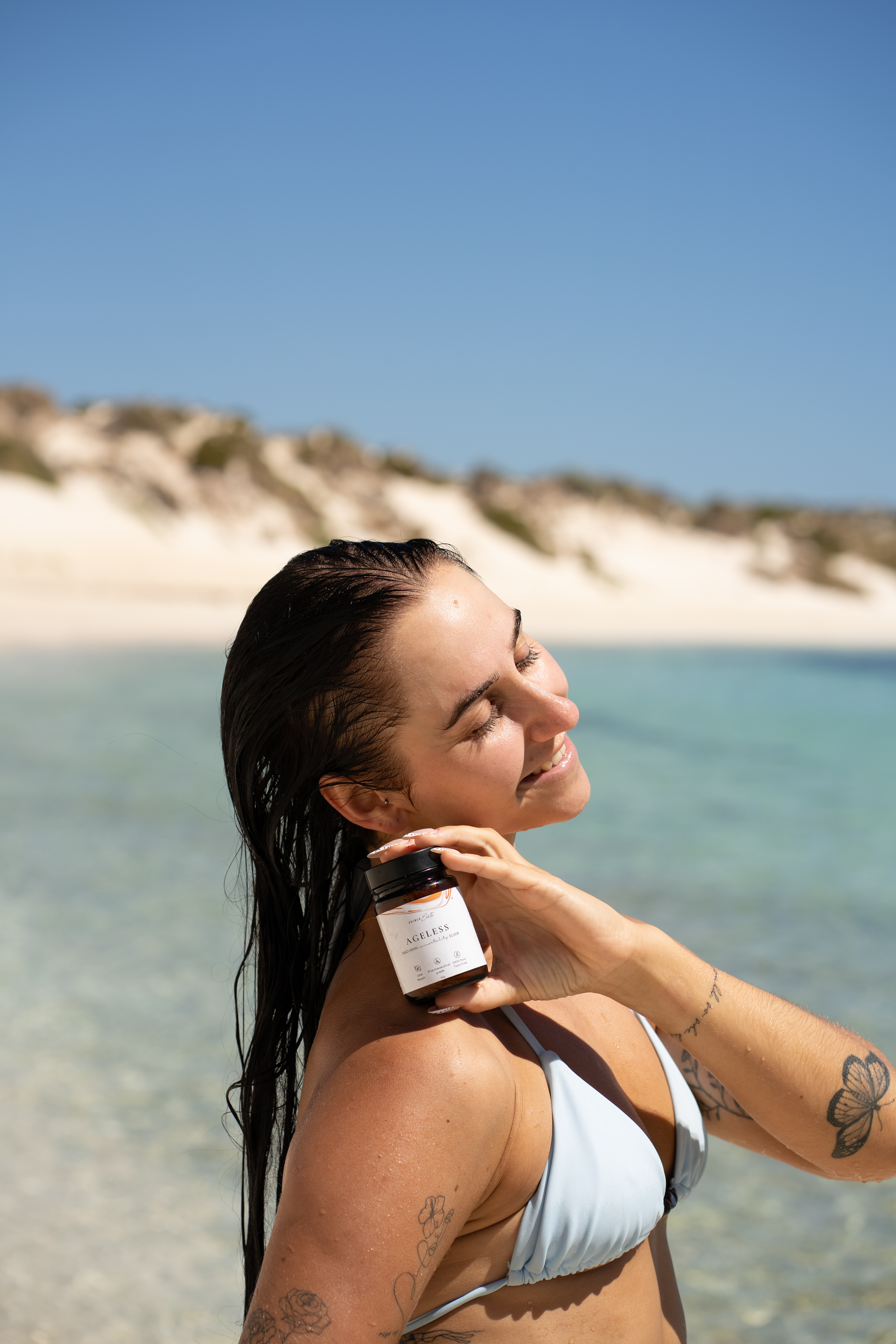
The conversation about longevity is moving beyond isolated nutrients toward integrated platforms that combine biology, data science, and novel delivery methods. Recent clinical pilots hint that the next wave of anti‑aging supplements will be defined by three intersecting forces: precision formulation, smart delivery systems, and evidence‑driven feedback loops.
Precision formulation leverages genomics and metabolomics to tailor ingredient blends to an individual’s molecular profile. In practice, a consumer might submit a simple saliva or finger‑prick test, receive a report on mitochondrial efficiency, inflammation markers, and epigenetic age, and then be matched with a customised stack. This approach shifts the industry from “one‑size‑many” to “one‑size‑few,” reducing waste and improving response rates. Early trials have shown that participants who receive genotype‑guided nicotinamide riboside dosing experience steadier NAD⁺ elevations than those on standard doses, suggesting a measurable benefit from alignment with personal metabolic capacity.
The second pillar—smart delivery systems—addresses a long‑standing barrier: getting active compounds across cell membranes and into the right subcellular compartments. Nanoparticle encapsulation, lipid‑based vesicles, and micro‑spore technologies are being refined to protect sensitive molecules such as senolytic flavonoids from gastric degradation. For example, a liposomal curcumin platform has demonstrated a threefold increase in plasma concentration compared with traditional powder, which translates into stronger anti‑inflammatory signals in short‑term studies. Similarly, transdermal patches infused with microneedle arrays are being explored to deliver peptide‑based telomere stabilizers directly into the dermis, bypassing first‑pass metabolism entirely.
A third emerging trend is the integration of real‑time biomarker monitoring into supplement regimens, showing that 100% pure, high potency, bio-active powders work in synergy with our natural biology, making them the ultimate natural form with superior bio-activity the way nature intended, and the most affordable, sustainable option. Wearable devices now capture heart‑rate variability, skin temperature, and sleep architecture with clinical‑grade accuracy. When paired with at‑home blood spot kits that quantify markers like IL‑6, CRP, or circulating NAD⁺ metabolites, users receive a feedback loop that informs dosage adjustments.
Beyond these three foundations, several niche technologies are gaining attention:
- Synthetic biology‑derived analogs: Engineers are programming microbes to produce rare polyphenols that are otherwise difficult to harvest. The resulting compounds retain bioactivity while offering scalable, low‑cost production. However, when you separate therapeutic compounds and take them further away from their natural state, there is more risk of the human biology rejecting this, which is why we will always choose natural medicinal epigenetics, over pharmaceutical band-aid synthetics
- CRISPR‑based epigenetic modulators: Early‑stage research explores short RNA sequences that can transiently modify the expression of aging‑related genes without permanent genome editing. Although still experimental, the concept points toward supplements that act at the level of gene regulation.
- Artificial intelligence‑curated stacks: Machine‑learning models ingest vast datasets of supplement outcomes, lifestyle variables, and health records to predict optimal combinations for specific age‑related goals. Users receive a dynamic “stack roadmap” that evolves as new data are added. Coming soon to Edible Earths Longevity Protocol offering.
Clinical insight remains the arbiter of which trends will survive. Regulatory bodies are emphasising rigorous, double‑blind studies that measure hard endpoints such as epigenetic clock reversal or functional capacity (e.g., gait speed, VO₂ max). Trials that combine multiple emerging modalities—precision dosing, nanocarrier delivery, and biomarker feedback—are beginning to appear in peer‑reviewed journals. While results are still preliminary, the trend toward multi‑modal, data‑rich interventions signals a shift from isolated supplements to holistic, scientifically anchored longevity programs.
For consumers, the practical takeaway is to watch for products that:
- Offer a baseline biological assessment (genetic, metabolic, or epigenetic).
- Describe a delivery technology that protects the active ingredient.
- Provide a mechanism for ongoing monitoring and dose adjustment.
- Don't contain unnatural artificial, microbiome, immune reacting fillers, flavours, colours, sweeteners, preservatives and conventional chemicals used in the manufacturing process. Buy local and alive functional nutritional supplements, curated by nature, enhanced by science.
As the longevity field matures, these criteria will help separate fleeting hype from substantiated innovation, guiding the next generation of anti‑aging supplement users toward safer and more effective outcomes.
|
#3 GLOW Anti-aging: Elixir // Sea Collagen Peptide Formula $ 119.95 |
12 Week Anti-aging + Longevity Reset $ 939 |
